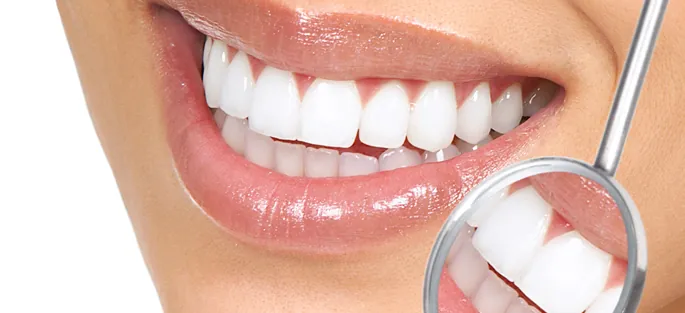
Teeth darken for two broad reasons. Surface stains come from tea, coffee, tobacco and some foods. Deeper discolouration comes from age, certain medicines, or a tooth that has been injured. Whitening works well on the first, reasonably on age-related yellowing, and poorly on some of the rest — which is why a check-up comes first.
Your options
- In-clinic whitening: a stronger gel is applied by the dentist with the gums protected, often activated with a light. You see a clear change in a single visit.
- Take-home trays: custom trays made from a scan of your teeth, with a milder gel you wear for a set time each day for one to two weeks. Slower, but very controllable.
- Over-the-counter strips and toothpastes: low-strength products. Whitening toothpastes mostly remove surface stain rather than changing the colour of the tooth. Strips can help a little but fit poorly and are easy to overuse.
Does it damage teeth?
Professionally supervised whitening is considered safe for enamel. The most common side effect is temporary sensitivity for a day or two, which we manage by adjusting the gel strength and timing. The real risks come from unsupervised use — gels that are too strong, trays that leak onto the gums, or whitening over untreated cavities and gum disease.
What whitening won't change
Fillings, crowns and veneers don't whiten. If you have visible restorations at the front, plan any replacements after whitening so they can be matched to the new shade. Very deep or grey discolouration may need a different approach, such as veneers or bonding.
Making it last
- Results typically last from several months to a couple of years, depending on diet and habits.
- Rinse with water after tea or coffee, and avoid tobacco.
- Regular professional cleaning removes new surface stain before it builds up.
- Occasional top-ups with take-home trays keep the shade where you want it.
If you'd like to see what's achievable for your teeth, book a check-up at our Mannady clinic and we'll talk you through the options.